
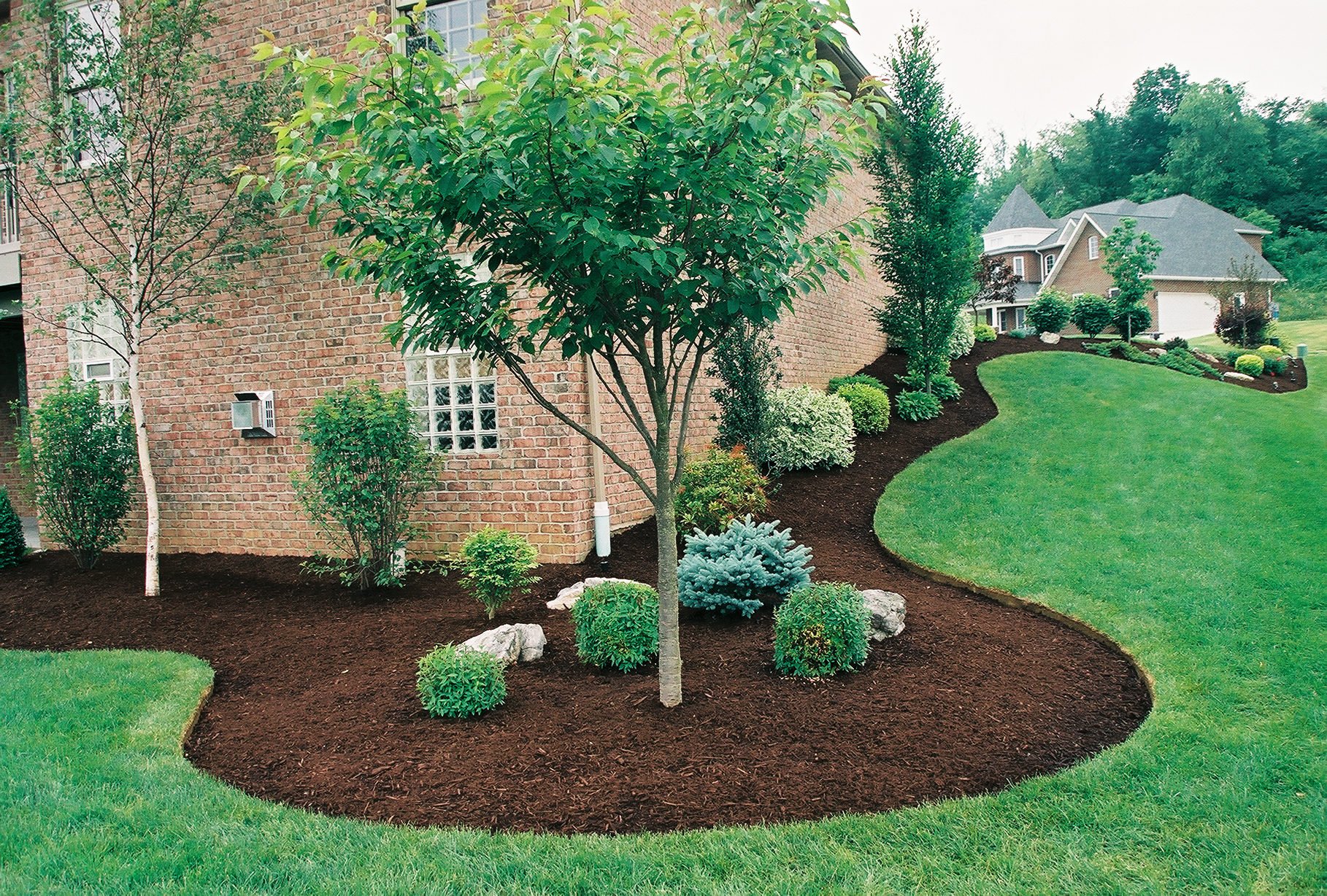
Apartment & Multifamily Landscaping in Austin, Texas
We design, install, and renovate apartment communities across the Austin metro: entrances and leasing office frontage, courtyards and amenity grounds, tour paths, irrigation rebuilds, drought conversions, and drainage repair. A family business run by a landscaper who has been working in this industry since 1993, building around occupied buildings and active leasing without shutting anything down. Every estimate is free, and we do not collect full payment until the finished work meets your complete satisfaction.
Get a Free Estimate (512) 740-5831
Family-Owned and Operated • In the Industry Since 1993 • Licensed & Insured • Projects from $5,000 to $100,000 • You Pay in Full Only When Satisfied
THE SHORT VERSION
Two Ways to Win a Lease. One of Them You Pay for Twice.
Every Austin owner competing for a renter right now is choosing between two things. You can buy the lease with a concession, which you pay again on every unit, every turn, every year. Or you can fix the reason the property is not winning the tour, which you pay for once.
We do the second one. Design, installation, and renovation for apartment communities: no maintenance contracts, no monthly service, no recurring line on your operating statement. We walk the property with you, tell you plainly which problems are costing you leases and which are cosmetic, and give you an itemized estimate you can put in front of ownership. Estimates are free, and final payment is not due until the completed work meets your complete satisfaction.
THE ECONOMICS
The Question Is Which Properties Stop Discounting First
Here is the arithmetic no other landscaping company in this market will put in front of you.
Austin multifamily just turned a corner. Rents fell for ten consecutive quarters through the end of 2025, then grew in the second quarter of 2026 for the first time since 2022, with vacancy improving across the board and the sharpest gains in Class A. The supply wave is still working through the system, and concessions have not gone with it. As of October 2025 roughly half of Austin-area rental properties were offering them, up from about four in ten a year earlier.
That is the interesting moment, and it is not the same argument as a falling market. When rents start climbing again, they do not climb everywhere at once. The properties that get to pull their concessions first are the ones a prospect walks into already convinced. The ones still discounting in 2027 will be the ones that gave a renter a reason to negotiate.
So run the number. Austin's average asking rent was around $1,500 per unit in the first quarter of 2026. One month free on a $1,500 unit is $1,500, given away on that lease and given away again on the next one. A two hundred fifty unit community turning half its units in a year signs roughly a hundred and twenty five leases. At one month free, that is about $187,500 a year, repeating every year, and none of it improves the asset. Our projects run $5,000 to $100,000, and even at the top of that range a landscape scope is a one time capital expense that shows up in the appraisal, in the tour, and in the renewal conversation.
We are not going to tell you landscaping eliminates concessions, because it does not. Pricing, product, location, and management drive leasing, and any contractor who tells you otherwise is selling you something. What we will tell you is that when a prospect drives up, parks, and walks to the model, the landscape is doing a large share of the work of justifying your asking rent before anyone opens their mouth. If that walk currently makes your rent look high, you are paying for it in concessions whether you fix the landscape or not.
WHAT MOST OPERATORS DO NOT KNOW
Four Things About Austin Multifamily Landscaping That Cost Owners Money
Your watering day depends on your street address, and your properties are not all on the same one. Austin Water sorts customers into three categories, and multifamily sits with commercial rather than with residential or with HOAs. For Austin Water customers, apartment community automatic and manual irrigation systems run one day per week, assigned by address parity: even addresses water Tuesday, odd addresses water Friday. Drip irrigation gets two days, Tuesday and Friday. All of it is restricted to the hours between midnight and 10 a.m. or between 7 p.m. and midnight.
Two practical consequences. If you manage a portfolio across Austin, your properties are not on a single schedule, which matters for how you sequence contractors and how you diagnose a system that is not running. And if your company also manages HOA common areas, those sit in a different category whose automatic systems run Monday, so you are tracking more than one calendar.
This is also not a temporary drought measure waiting to expire. Austin Water has been in the Conservation Stage since September 2, 2025, and Austin is one of the only cities in Texas with permanent year-round conservation watering restrictions. One irrigation day a week is the standing condition, not the emergency, and it applies even now that the Highland Lakes have recovered. A planting plan that needs more than that will fail, and most apartment landscapes in this market were installed under wetter assumptions. Properties served by a MUD, a WCID, or by Cedar Park, Leander, Georgetown, or Round Rock follow their own schedules, and we confirm yours before specifying anything.
The Texas HOA landscaping statutes impose no obligations on you. This trips up regional managers who handle both asset types. Texas Property Code Section 202.007, which limits an association's ability to prohibit drought-resistant landscaping and water-conserving turf, and Section 202.008, added by House Bill 517 in 2025, which limits fines over turf covenants during drought-related residential watering restrictions, both govern property owners' associations and the covenants they enforce against their members. An owner operating a conventional rental community is not a property owners' association and owes nothing under either section.
Two things worth knowing before you generalize. Chapter 202 does reach condominium and townhouse regimes, so a condo asset is a different analysis than an apartment one. And if your property sits inside a master-planned development with its own association, you are a member of that association, in which case Section 202.007 works in your favor by limiting what the association can prohibit on your parcel. Your operating constraints are municipal site plan and landscape requirements, your water utility's schedule, and your own community rules. That is a simpler picture than the one governing an HOA board, and it means you have more freedom to convert turf than a board does.
Your money is probably in the wrong place on the property. Most apartment landscape budgets are spread evenly across the site. Prospects are not. A prospect sees the entrance from the street, the parking area, the walk to the leasing office, the leasing office frontage, and the path to the model unit. That is the tour path, and on most properties it is a fraction of the total planted area. Residents live with the rest of it and it matters for renewals, but it is not what converts a tour. When a budget is tight we will tell you to concentrate it on the tour path and the entrance rather than spreading it thin enough that nothing reads as finished. Even coverage is how communities spend real money and look unchanged.
Builder and value-add landscapes fail here in predictable ways. Thirty-plus years of repairing Central Texas landscapes and the failure modes barely change. Beds installed with a few inches of soil over caliche, so roots have nowhere to go. Irrigation zones that put high-water and low-water plants on the same valve, which guarantees half of them are wrong. Grading that sends every storm across a walkway or into a breezeway. Plants installed in July because that is when the schedule allowed, then lost by September. Mulch beds that have not been edged or re-mulched in long enough to read as neglect from the street. None of these are exotic. All of them are cheaper to fix correctly once than to patch every year, and we will tell you which category each problem on your property falls into.
SERVICES
What We Design, Build, and Renovate for Apartment Communities
Entrance and street frontage. Monument surrounds, entry beds, signage landscapes, and the lighting that makes a property legible after dark.
Leasing office and tour path. The frontage, walkways, and planting along the route from parking to the office to the model unit. The highest return work on most properties.
Courtyards and amenity grounds. Pool surrounds, clubhouse landscapes, dog parks, grill and seating areas, playgrounds, and the shade planting that makes an outdoor amenity usable in August.
Repositioning and value-add exterior scopes. Landscape renovation coordinated with paint, signage, and amenity work so the exterior reads as one deliberate change rather than a series of patches.
Drought and turf conversion. Converting high-water turf to native and adapted planting sized to a one-day-a-week schedule, with the irrigation rezoned to match rather than left as it is.
Irrigation rebuilds and efficiency upgrades. Zone redesign for the multifamily schedule, drip conversion in beds, controller and sensor upgrades, and repair of systems that have been patched by three vendors.
Grading, drainage, and erosion correction. Ponding in parking areas and breezeways, washed-out slopes, and the drainage problems that generate work orders every time it rains.
Hardscape. Retaining and seating walls, walkways, borders, and masonry, built on the same base and drainage standards as everything else we put in the ground.
New construction and lease-up installation. Landscape and irrigation installed to a general contractor's schedule and a certificate of occupancy date, on properties that need to look established the day the first prospect tours.
What we do not do is ongoing maintenance. No mowing contracts, no monthly service. That is a deliberate choice, and it lets us focus entirely on design and installation. For you it also means we are not competing with your landscape maintenance vendor, so nothing we recommend is a pitch to take their contract.
HOW WE WORK
Building on a Property That Cannot Close
An apartment community has to keep leasing, keep parking, and keep residents reasonably happy while the work happens. That is a scheduling problem more than a landscaping problem, and it is where most of the friction lives.
We walk it with whoever owns the decision. On-site manager, regional, asset manager, or ownership. We document what is failing and why, and we separate the list into what is costing you leases, what is generating work orders, and what is purely cosmetic. You will get an honest answer about which is which, including when the answer is that something can wait.
You get an itemized estimate, not a lump sum. Each element priced separately, so you can approve the entrance now and the courtyards next fiscal year, or take the whole scope at once. Ownership approval is easier when the line items are visible, and phasing is easier when the estimate was built to be phased. Estimates are free.
We sequence around leasing and residents. Work staged building by building or zone by zone, tour path and entrance prioritized so the property never shows torn up where prospects walk, equipment and materials kept out of resident parking where the site allows, and access to breezeways, mail, and amenities kept open. Tell us your tour schedule and we will build around it.
We watch the calendar that matters. Fall installation is meaningfully better than summer in Central Texas, because roots establish through the mild months and face their first summer settled. If your timeline is flexible we will tell you when waiting six weeks materially improves survival. If it is not flexible we will tell you what that costs in replacement risk rather than pretending it is free.
Final walkthrough on your terms. You walk the completed work with us, and we do not collect full payment until it meets your complete satisfaction. We will also tell your maintenance crew what the new planting needs and when, so the work does not start losing ground the month after we leave.
WHO WE WORK WITH
Owners, Managers, Contractors, and Buyers
Owners and asset managers funding a repositioning or an exterior capital plan, who need the landscape scope priced, phased, and defensible in an investment committee.
Regional and on-site managers with a specific problem: an entrance that looks tired, a courtyard nobody uses, a drainage issue generating work orders, or a property losing tours to the community across the street.
General contractors and developers delivering new construction, who need landscape and irrigation installed on schedule against a certificate of occupancy date.
Value-add buyers underwriting an exterior renovation, who want the landscape line item priced accurately during diligence rather than discovered afterward.
COST
What Drives the Number
Our projects run from $5,000 to $100,000. Where a specific property lands inside that depends on things we can only see by walking it, and any contractor who quotes an apartment community from a satellite photo is guessing.
What moves the number most: the total planted area you actually want touched, and whether we concentrate on the tour path or cover the site. The condition of the existing irrigation, which is the most common source of surprise, because a system patched for fifteen years often needs rezoning rather than repair. Rock excavation, which is real across the limestone corridor and adds materially to planting and hardscape work. Plant sizes at installation, since larger material costs more and reads as finished immediately, which matters when you are leasing now. Site access for equipment, which on a dense property with structured parking can drive cost more than the landscape itself. And hardscape scope, which is usually the largest single variable when it is included.
Every estimate we write is itemized line by line so you can see where the money goes and cut what you do not want. Estimates are free.
PROOF
Apartment and Multifamily Work Across the Austin Metro
Photographs of completed communities, showing each property before and after, with the city and the scope named.
WHY US
A Family Business, and a Landscaper Who Has Been at This Since 1993
Ben Bretz has owned and operated companies in the lawn and landscape industry since 1993. He and his wife Dani have built this one as a family business, and their son Josh grew up watching the work, spent years alongside his father, and joined the business to carry it forward. The promise comes from a line in one of their favorite books, The Go-Giver: offer more in value than you receive in payment.
For a multifamily owner or operator, that structure is the argument. Vendor relationships in this industry tend to run through rotating account managers, and the person who priced your job is often not the person who shows up to build it. Here the family name is on the company, and final payment does not change hands until you are satisfied with the completed work. More than three decades in this market also means we have walked back onto our own installations through droughts, floods, and one generational freeze, and we know which of them held.
We are licensed and insured, every estimate is free, and we do not collect full payment until the finished work meets your complete satisfaction.
SERVICE AREA
Where We Work
Based in Cedar Park and serving apartment and multifamily communities across the greater Austin metro and the Hill Country, including Austin, Bee Cave, Cedar Park, Dripping Springs, Fredericksburg, Georgetown, Johnson City, Lakeway, Leander, Liberty Hill, Marble Falls, Spicewood, Steiner Ranch, West Lake Hills, and Wimberley.
FAQ
Apartment and Multifamily Landscaping Questions
Do you provide ongoing landscape maintenance for apartment communities?
No. We are a design, installation, and renovation contractor, not a maintenance company. Owners and managers hire us for projects with a defined start and finish: entrance and tour path renovation, courtyard and amenity grounds, repositioning scopes, drought conversion, irrigation rebuilds, and drainage repair. Not offering maintenance is a deliberate choice that lets us focus entirely on design and installation. For you it also means we are not bidding against your current vendor.
How many days a week can we water an apartment community in Austin?
Austin Water places multifamily properties in the commercial category, where automatic and manual irrigation systems are limited to one day per week, assigned by street address: even addresses water Tuesday, odd addresses water Friday. Drip irrigation is allowed two days, Tuesday and Friday. All watering is restricted to midnight through 10 a.m. or 7 p.m. through midnight. Austin has permanent year-round conservation restrictions, so this is the standing schedule rather than a temporary drought measure. Properties served by a MUD, a WCID, or by another city follow their own schedules, and we confirm yours before designing.
Do the Texas HOA landscaping laws apply to apartment owners?
Neither section imposes any obligation on an apartment owner. Texas Property Code Sections 202.007 and 202.008 govern property owners' associations and the covenants they enforce against their members, and an owner operating a conventional rental community is not a property owners' association. Two things are worth knowing. Chapter 202 does reach condominium and townhouse regimes, so a condo asset is a different analysis. And if your property sits inside a master-planned development with its own association, you are a member of it, in which case Section 202.007 works in your favor by limiting what that association can prohibit. Your operating constraints are municipal site plan and landscape requirements, your water utility's schedule, and your own community rules.
Where should we spend if the budget only covers part of the property?
The entrance and the tour path, meaning the route a prospect walks from parking to the leasing office to the model unit. That is a fraction of most properties' planted area and nearly all of what a prospect sees. Spreading a limited budget evenly across the site is the most common way apartment communities spend real money and look unchanged afterward.
Will the work disrupt residents and leasing?
Some, and we plan around it rather than pretending otherwise. Work is staged building by building or zone by zone, the tour path and entrance are sequenced so the property never shows torn up where prospects walk, equipment and materials stay out of resident parking where the site allows, and access to breezeways, mail, and amenities stays open. Tell us your tour schedule and we will build around it.
When is the best time to install landscaping in Central Texas?
Fall is best, with early spring second. Fall installation lets roots establish through the mild months so plants face their first Central Texas summer already settled, which improves survival and reduces establishment watering. Hardscape and irrigation can be built nearly year-round. If your timeline is fixed we will tell you honestly what a summer installation costs in replacement risk instead of quietly taking the job.
What survives on one watering day a week?
More than most operators expect, when the plants are chosen and installed correctly. Natives and proven adapted species such as Texas sage, red yucca, Lindheimer muhly, and desert willow hold their appearance on that schedule once established. Most failures we get called to repair are not plant choice alone. They are plants installed at the wrong time of year, beds without adequate soil depth over caliche, and irrigation zoned so high-water and low-water plants share a valve.
Will converting turf to native planting lower our water bill?
Usually over time, though not immediately, since new planting needs establishment watering through its first season. For most apartment properties the larger savings are in the irrigation system rather than the plants: finding leaks, correcting zones that mix plant types, converting beds to drip, and updating controllers. If your best return is an irrigation rebuild rather than a replanting, we will tell you that.
Can you work to a general contractor's schedule on new construction?
Yes. We install landscape and irrigation against certificate of occupancy dates and coordinate with the other trades on site. A new community has to look established the day the first prospect tours, which is a different specification than a landscape with a year to fill in.
Can you price a landscape scope during acquisition diligence?
Yes. We will walk a property under contract and give you an itemized scope and estimate for the exterior landscape work, so the number in your underwriting reflects what the site actually needs rather than a placeholder.
Do you charge for an estimate?
No. Every estimate is free, and it comes itemized line by line so you can approve, defer, or phase individual elements.
When do we pay, and are you licensed and insured?
We are licensed and insured. Payment terms are set out in your estimate, and we do not collect full payment until the finished work meets your complete satisfaction.
Walk Your Property With Us
Tell us which community, and what is not working. We will walk it, tell you honestly what is costing you leases and what can wait, and put an itemized estimate in your hands. Every estimate is free.
Let's Talk About Your Commercial Property
Outsider Solutions serves Cedar Park, Leander, Round Rock, Georgetown, Pflugerville, and the greater Austin area. We are licensed, insured, and ready to take on commercial projects of any size. All estimates are free and there is no obligation.